Officially named Ultra-High Molecular Weight Polyethylene (UHMWPE) Sheet, it has a molecular chain far longer than ordinary polyethylene and a stable structure, making it a representative of "high durability" in engineering plastics. Specifically designed for high-frequency wear scenarios such as mining and chemical industries, it is also suitable for low-temperature and corrosive working conditions, balancing performance and scenario compatibility.
Learn More

High-Density Polyethylene (HDPE) sheets are highly versatile plastic sheets. They can be widely adapted to the needs of multiple fields such as industry, daily life, municipal administration, and logistics, featuring convenient processing and flexible application scenarios.
Learn More

Polypropylene (PP) Sheet, it is a thermoplastic resin sheet polymerized from propylene monomers, with a density of 0.90~0.91g/cm³. As a category of commonly used plastic sheets, it features light weight and regular structure, while combining basic toughness and processing adaptability, which can meet the molding needs of lightweight and multi-scenario applications.
Learn More

As a thermoplastic engineering plastic sheet, its core types are nylon 6 and nylon 66. With high strength and toughness, it has become a universal basic sheet in the engineering field. Divided into cast nylon sheets and extruded nylon sheets by molding process, it is suitable for different scenarios, covering applications from large thick-walled parts to precision mass-produced parts.
Learn More

Made of High-Density Polyethylene (HDPE) as the base material, it is integrally manufactured through a three-layer co-extrusion composite process. ,The surface layer and middle layer adopt differentiated color formulas (e.g., bright color for the surface layer, base color for the middle layer) or functional formulas (e.g., UV-resistant for the surface layer, toughness-enhanced for the middle layer). The layers are tightly bonded and not easy to delaminate, which not only ensures decorativeness but also further enhances the overall structural strength and usage stability of the sheet.
Learn More
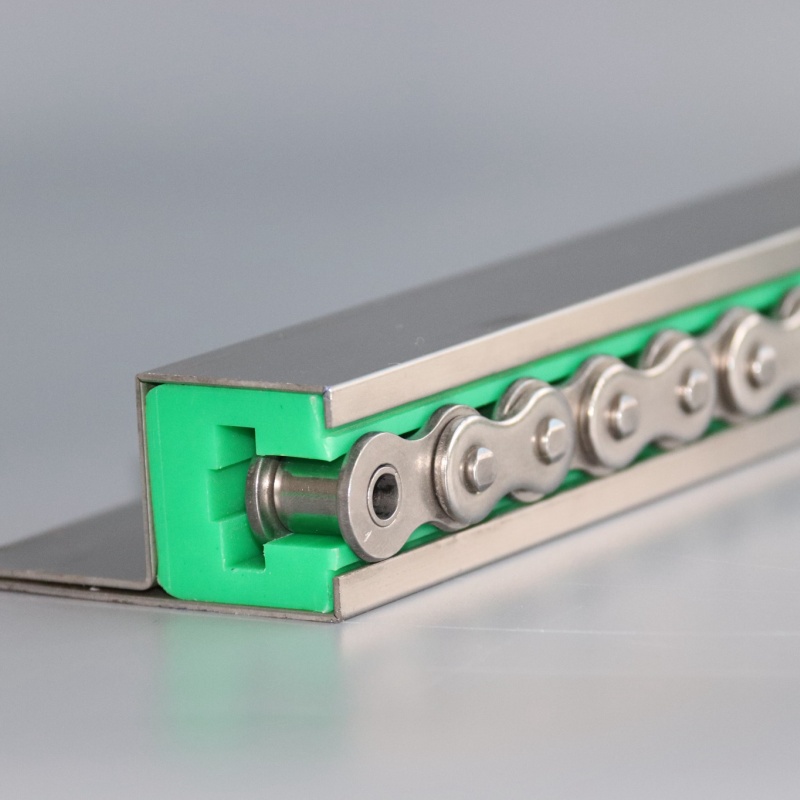
Chain guides are precision components specifically designed to guide and support drive chains in various industrial transmission systems. Their primary function is to maintain a stable trajectory for the chain during operation, reducing wear and noise caused by shaking or misalignment. Available in multiple structural types—such as K-type, F-type, and T-type single or double-row guides—as well as high-performance versions made from specialized materials like PTFE, UHMWPE, or MC nylon, these guides are typically mounted on fixed parts of machinery. They engage with the chain to optimize force distribution, enhancing transmission accuracy and reliability. Suitable for both standard and demanding conditions such as high temperature, heavy load, or corrosive environments, chain guides are essential components in modern industrial equipment.
Learn More
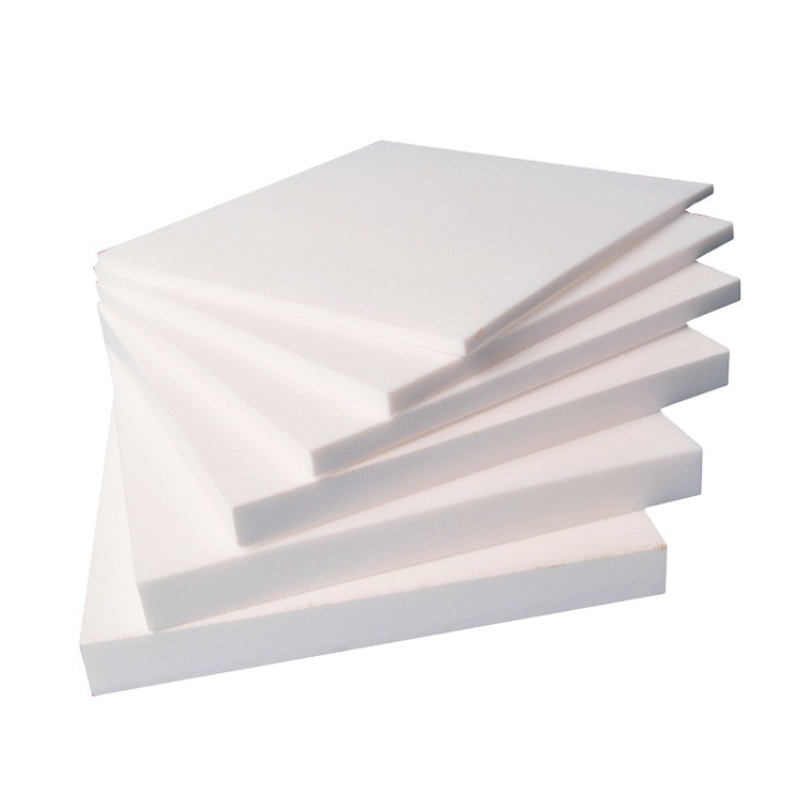
Polytetrafluoroethylene (PTFE) Sheet is a perfluorinated polymer material sheet polymerized from tetrafluoroethylene monomers. It is known as the "King of Plastics" for its outstanding performance. Its molecules contain stable perfluorocarbon chains, giving it extremely strong chemical inertness. It can be made into sheets of different thicknesses, which can not only meet the processing needs of precision components but also be suitable for the linings of large-scale equipment. It is especially suitable for special high-temperature and strong-corrosion working conditions such as chemical industry and aerospace.
Learn More
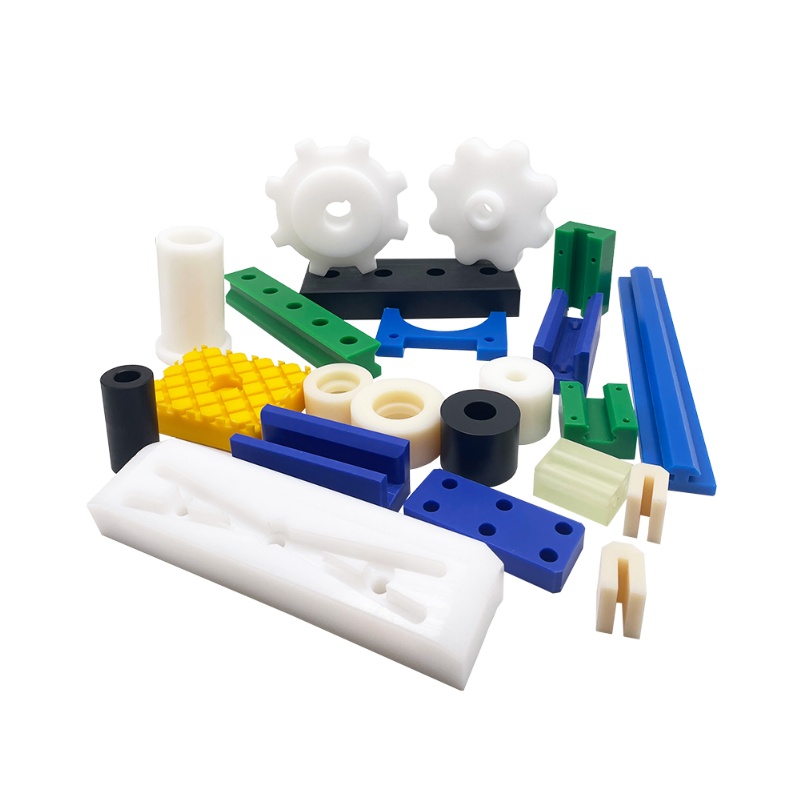
Custom components machined from Ultra-High Molecular Weight Polyethylene, offering exceptional abrasion and impact resistance for demanding environments.
Learn More

Polyoxymethylene (POM) Sheet has mechanical properties close to metals and high hardness, and is known as "Steel-like". With a density of approximately 1.41~1.43g/cm³, it can be processed into sheets of different specifications through processes such as injection molding and cutting. It is often used to replace metals like copper and zinc in the manufacturing of lightweight and high-precision components.
Learn More
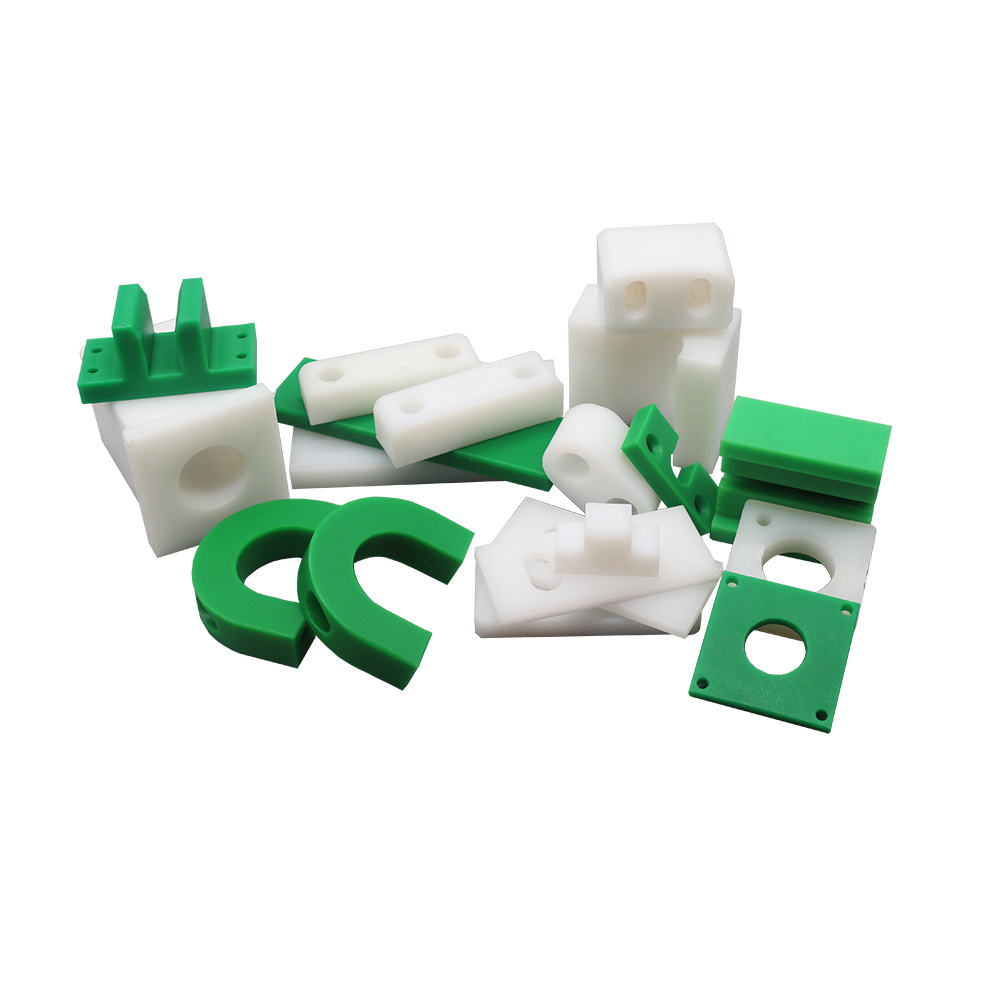
High-Density Polyethylene (HDPE) and Polypropylene (PP) special-shaped parts are customized components manufactured through injection molding, extrusion, or compression molding processes. HDPE is known for its high crystallinity, providing good rigidity and mechanical strength, while PP offers excellent fatigue resistance and heat tolerance. These materials can be processed into complex parts such as tank linings, valve housings, conveyor rollers, brackets, and sealing grooves, often replacing metal or standard plastic components. Lightweight, chemically resistant, and easy to form, HDPE/PP parts can be tailored with additives for enhanced UV stability, anti-static, or flame-retardant properties, making them essential basic components in chemical, environmental, water supply, and logistics industries.
Learn More
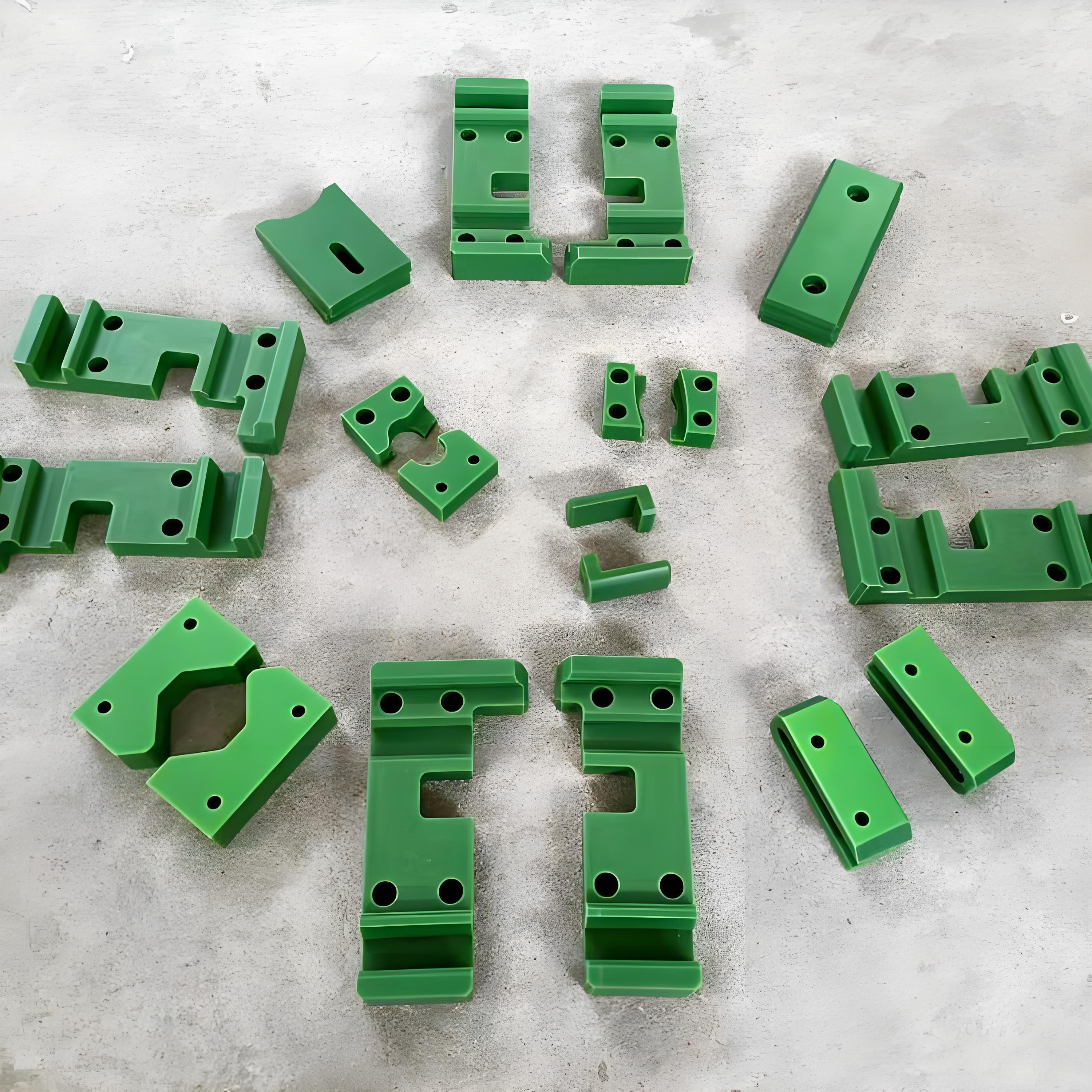
Nylon special-shaped parts are engineering plastic components custom-made from MC nylon (cast nylon) and PA6 (nylon 6). MC nylon, produced through centrifugal casting, offers high molecular weight and excellent mechanical properties with dimensional stability, while PA6 is injection-molded with good flowability, suitable for complex geometries. These parts can be manufactured into precision components such as gears, bearings, sliders, bushings, and guides, widely used in mechanical transmission, automation equipment, and heavy machinery. Combining high strength, wear resistance, and corrosion resistance, they can be further enhanced with modifiers like glass fiber , providing a lightweight alternative to metal components.
Learn More
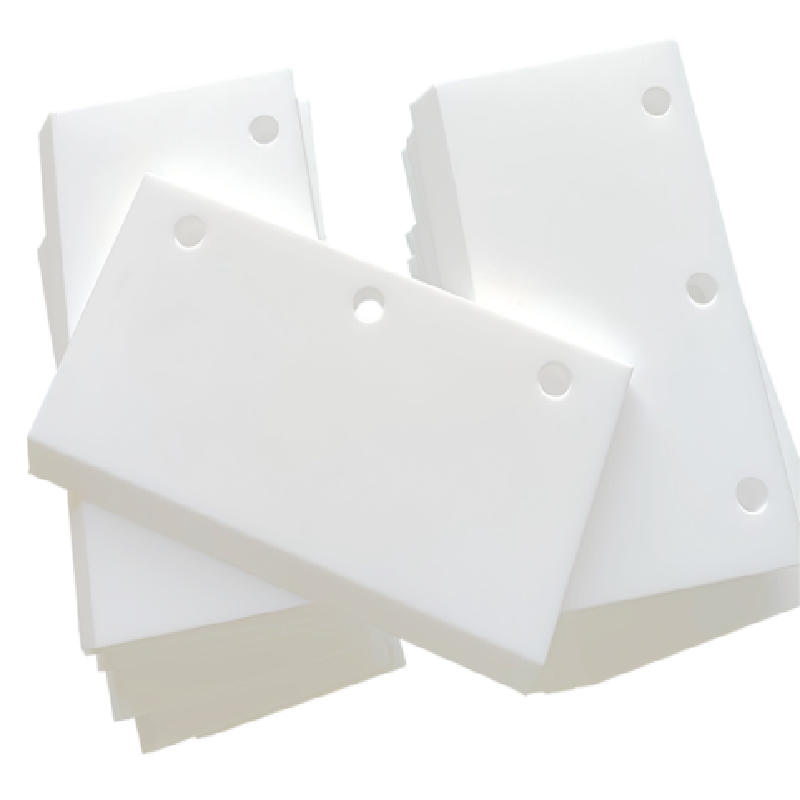
Polytetrafluoroethylene (PTFE) CNC machined components are customized engineering plastic parts fabricated through precision computer numerical control machining. Known as the "plastics king," PTFE is renowned for its exceptional chemical inertness and broad temperature resistance (-190℃ to +260℃). These components can be accurately manufactured into complex shapes such as seals, gaskets, bearings, insulators, and pipe fittings, meeting tight dimensional tolerances. Processed from stock shapes like rods, plates, or tubes via turning, milling, and drilling, PTFE offers high purity, making it indispensable in applications demanding utmost cleanliness, non-stick properties, and dielectric strength in sectors like semiconductors, chemicals, medical, and food processing.
Learn More
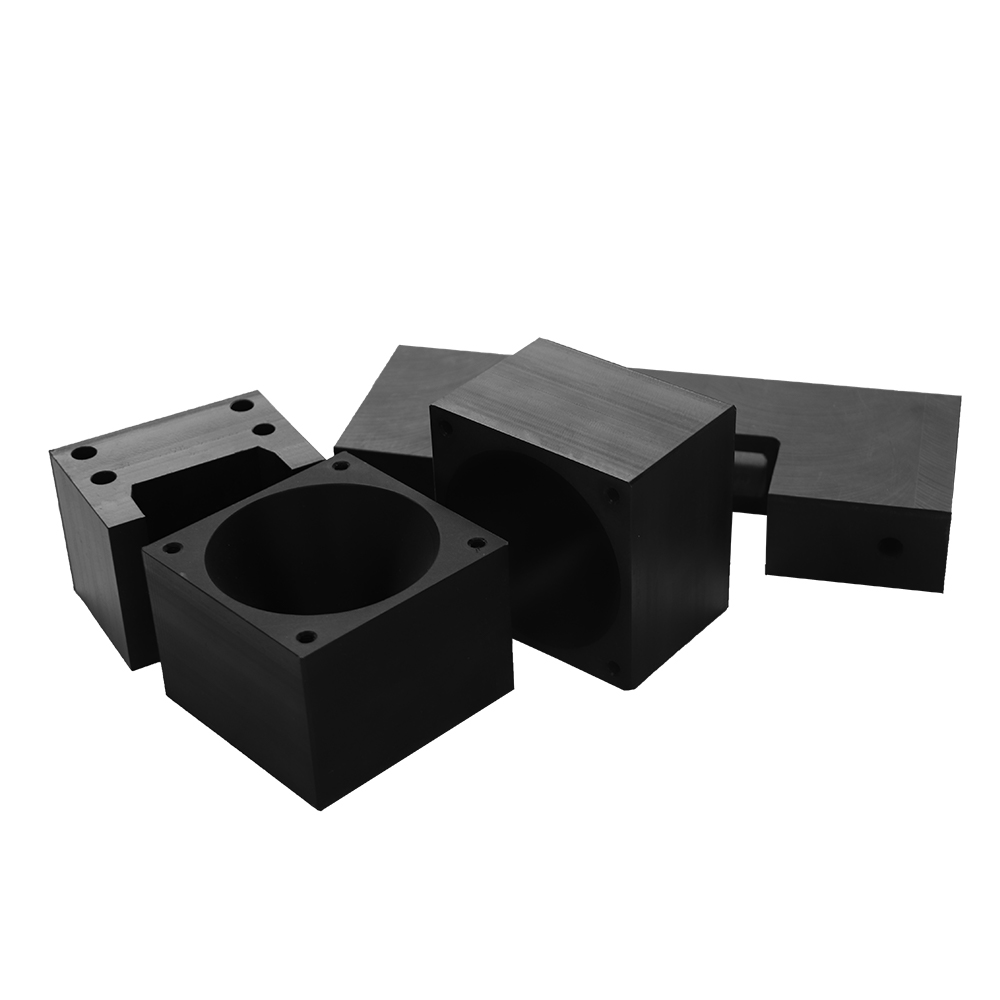
POM (Polyoxymethylene) CNC machined parts are high-performance engineering plastic components precision-manufactured through computer numerical control processes, commonly known as "acetal" or "Delrin." POM is renowned for its high rigidity, excellent dimensional stability, and outstanding fatigue resistance. These parts are typically machined from POM copolymer or homopolymer rods, plates, or sheets via turning, milling, and drilling, enabling precise production of complex components like gears, bearings, cams, bushings, and fasteners. Offering metal-like mechanical strength while remaining lightweight, with low friction and high wear resistance, POM parts are ideal for applications requiring precision transmission and long-term durability, serving as excellent lightweight alternatives to metals like copper and aluminum.
Learn More
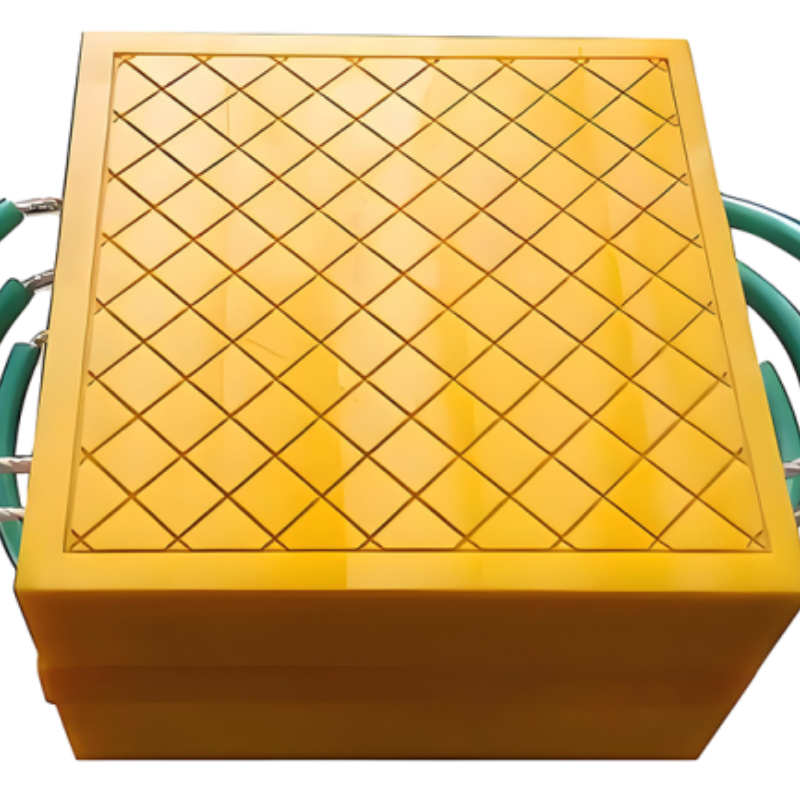
Outrigger pads are specialized, molded, load-bearing components made primarily of ultra-high molecular weight polyethylene (UHMWPE). Designed specifically for construction machinery outriggers, they combine high-strength load-bearing capacity with ground protection functionality. These pads effectively distribute outrigger pressure, serving as critical auxiliary accessories for ensuring stability during heavy equipment operations.
Learn More
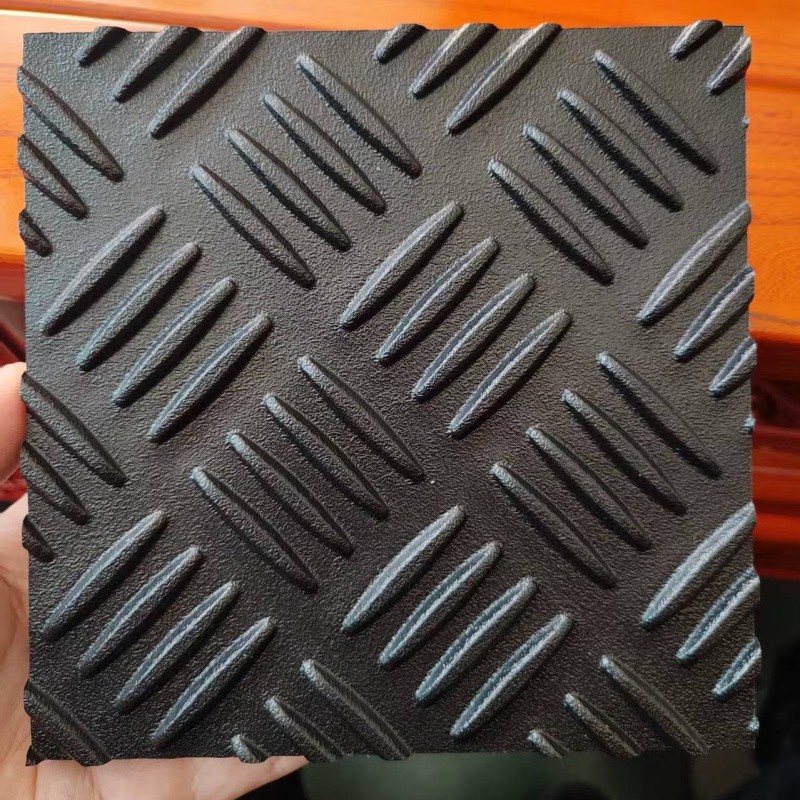
HDPE ground protection mats are a type of paving plate made from high-density polyethylene (HDPE) material. The following is an introduction to their characteristics, application fields, and installation & maintenance
Learn More
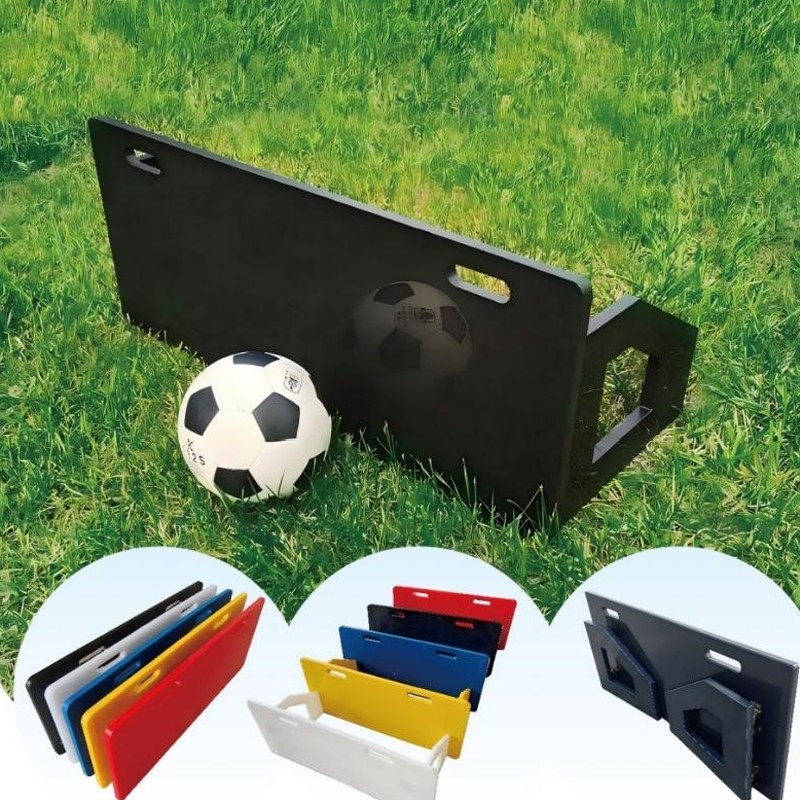
Football Rebound Board, a premium training tool designed to enhance football skills. This product is specifically engineered to provide reliable ball rebound for solo or group training sessions, making it the go-to choice for procurement teams in sports organizations.
Learn More

With a hardness range of 85-95 Shore A, it is a medium-hard polyurethane sheet that combines moderate support and buffer toughness. It can be processed into sheets or special-shaped parts through cutting and molding, complies with environmental standards, and is suitable for industrial stress buffering and civil structural support scenarios.
Learn More
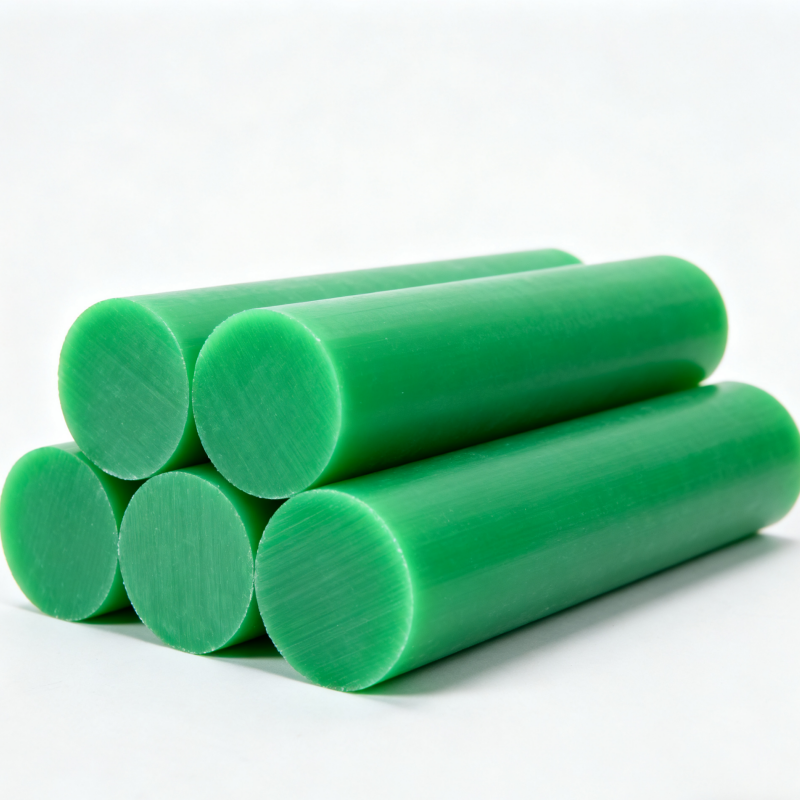
UHMWPE rods are manufactured using ultra-high molecular weight polyethylene (UHMWPE) as the core material, processed through precision techniques such as extrusion moulding. They exhibit uniform texture throughout, combining the flexibility and high strength inherent to polymeric materials. These rods represent the material of choice for industrial applications demanding exceptional wear resistance and impact resilience.
Learn More
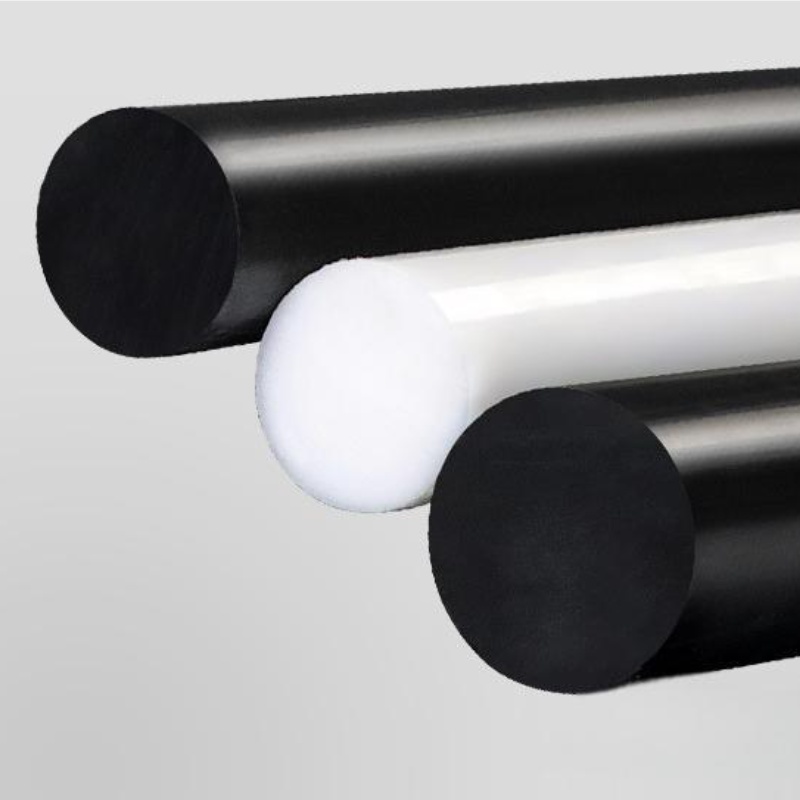
HDPE rods (high-density polyethylene rods) are manufactured from high-density polyethylene resin via an extrusion moulding process. Featuring a dense structure and smooth, impurity-free surface, these rods combine lightweight properties with excellent mechanical performance, making them highly versatile plastic rods for industrial and domestic applications.
Learn More
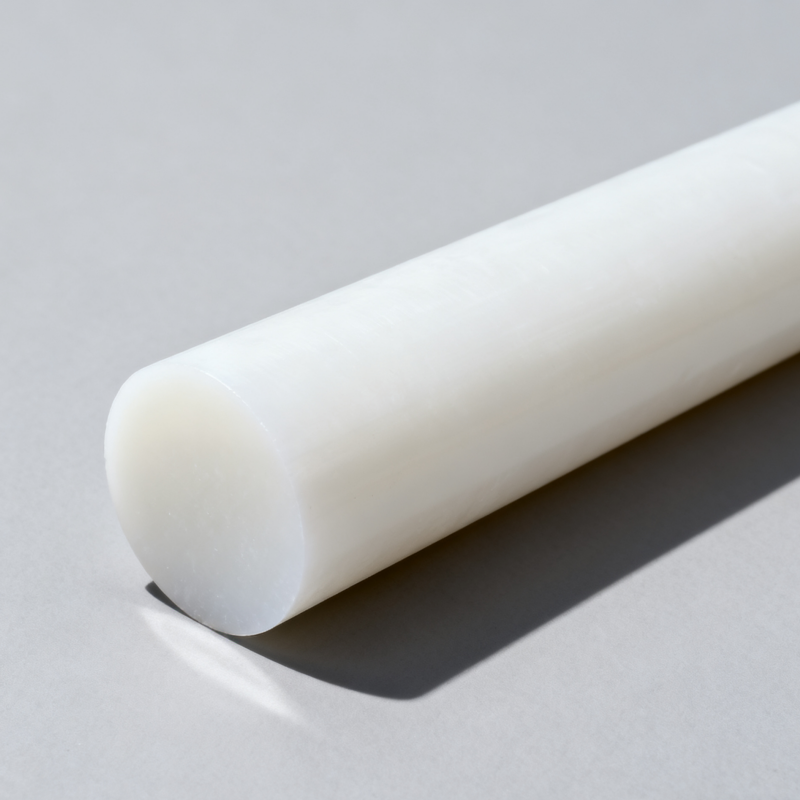
PP rods (polypropylene rods) are manufactured using polypropylene resin as the primary raw material through an extrusion moulding process. Characterised by their lightweight nature and balanced mechanical properties, these thermoplastic rods offer excellent value for money and a broad range of applications.
Learn More
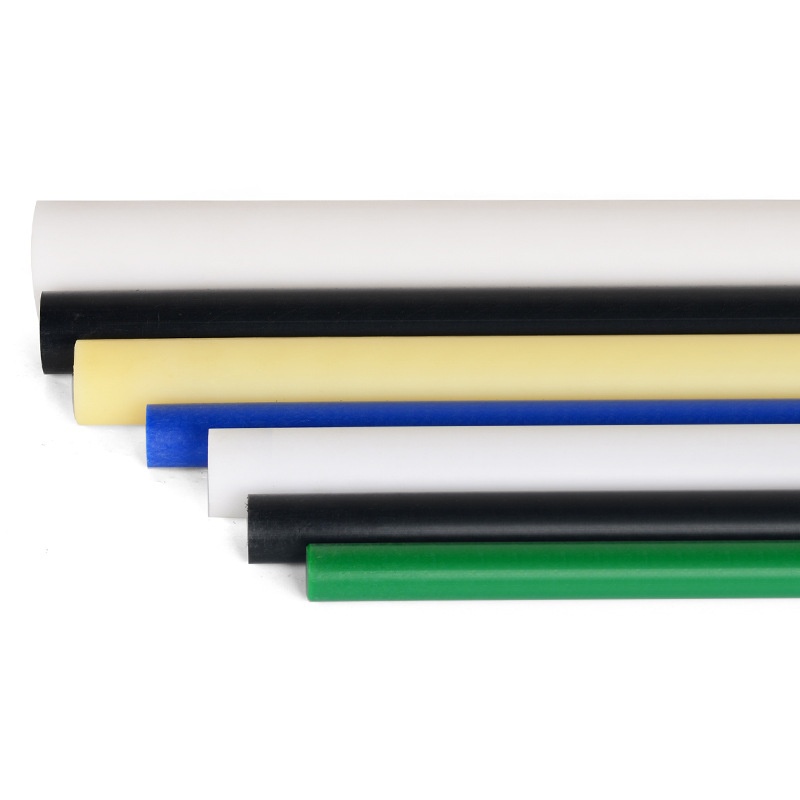
Nylon is categorised into cast nylon and extruded nylon (also known as PA nylon). Cast nylon rods (also termed MC nylon rods) are manufactured using caprolactam monomers as raw material through an on-site casting polymerisation process. These rods exhibit high density and a compact structure, offering superior mechanical properties and dimensional stability compared to standard extruded nylon rods. PA Nylon Rods (Polyamide Rods) are manufactured from polyamide resin (nylon) via an extrusion moulding process. These rods exhibit high strength and good toughness, making them an engineering plastic rod with excellent comprehensive properties. Common grades include PA6 and PA66.
Learn More
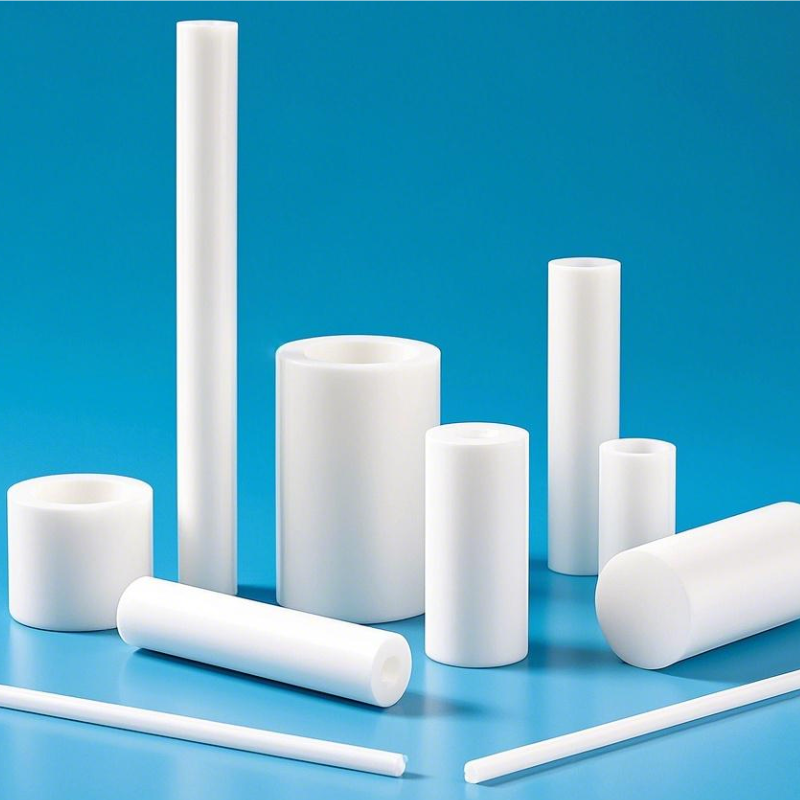
Polytetrafluoroethylene rods (PTFE rods, also known as "plastic king" rods) are made from high-purity polytetrafluoroethylene resin through compression molding, high-temperature sintering, precision turning, or extrusion. They feature a dense structure and smooth surface, and offer both extreme chemical resistance and stability over a wide temperature range. They are high-performance engineering plastic rods that can replace metal, rubber, and other materials in extreme working conditions.
Learn More
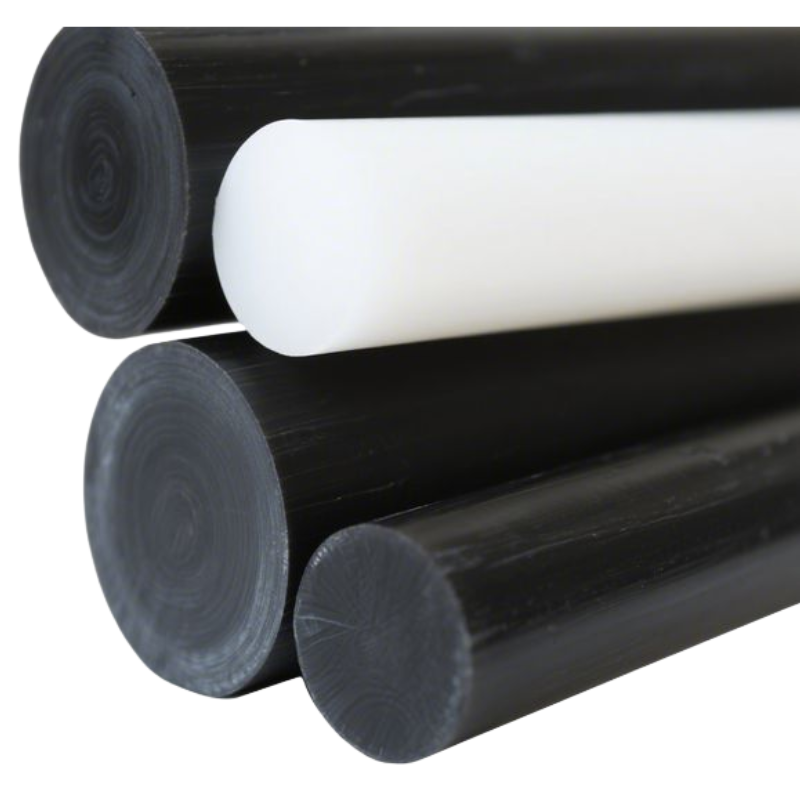
POM rods (polyoxymethylene rods, also known as acetal rods) are manufactured from polyoxymethylene resin through precision extrusion or injection moulding processes. Characterised by high rigidity and uniform structure, these rods combine the rigidity of metals with the toughness of plastics, making them an ideal material for fabricating precision components as a metal substitute.
Learn More
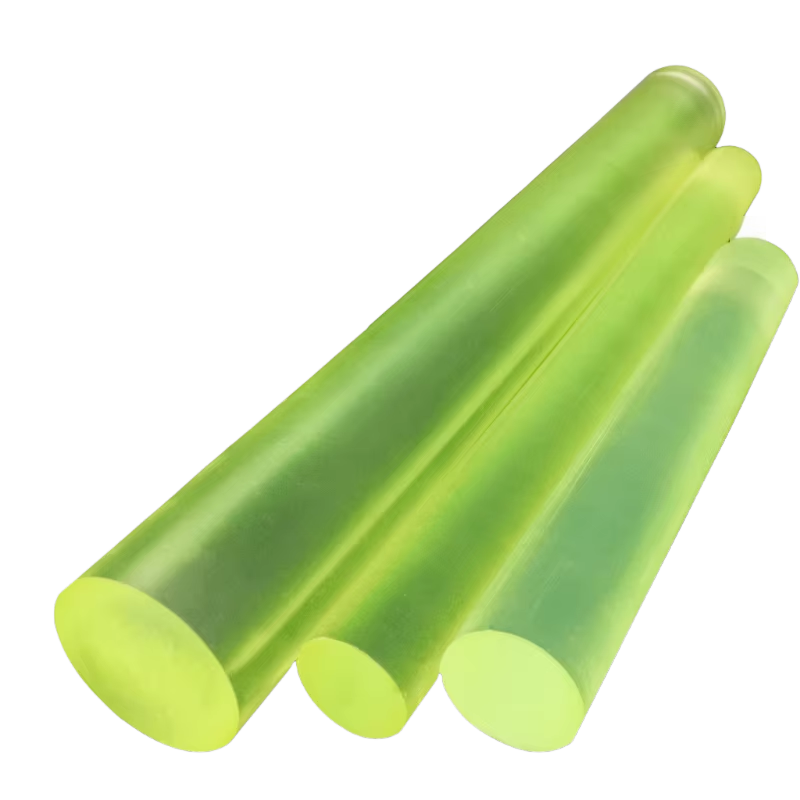
PU rods (polyurethane rods) are manufactured from polyurethane elastomer via casting or extrusion moulding processes. Exhibiting outstanding elasticity, a soft tactile feel and considerable strength, these polymeric elastomer rods integrate resilience, abrasion resistance and oil resistance.
Learn More